This summer saw a continued rise in highly competitive decks, with an incredibly diverse field of contenders ranging from aggro and control to wild combo strategies. Players across the board leveled up their builds with new Idols and Omens cards, creating one of the most varied metas we’ve seen in a while.
While the podium featured many familiar faces, with 3 of the top 4 players returning from previous events, the once-dominant Crasher Control deck slipped to 4th place. Meanwhile, a rogue Lattice Crusher list emerged from nowhere to claim an impressive 2nd-place finish. Taking 1st place once again was the exact same Chrome Dexter list, officially cementing its status as a meta-defining deck—much like Crasher Control was in past seasons.
In this breakdown, we’ll take a look at the very top of the meta, examining the most commonly played cards and exploring what makes each of the top four decklists successful. As an added bonus, I’ll also share my own strategies for beating them, so read on to find out more!
Table of Contents
4th Place - Crasher Control
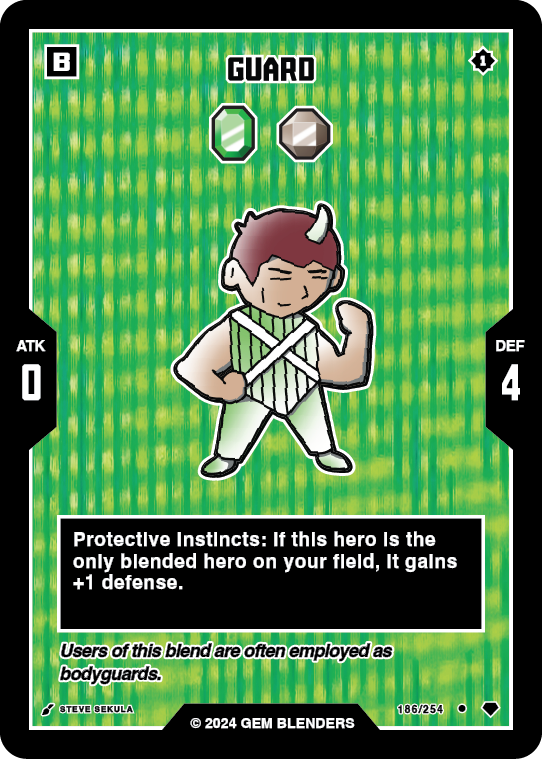
The deck’s greatest weakness is its pace. It takes time to establish its engine and can be equally slow when it comes to closing out games. Aggressive decks can often find success if they can dodge Guard and Signal Corruptor long enough to secure a quick Round 1 victory. However, unless they have a substantial lead and a healthy hand size, they may be better off conserving resources during Round 2 and saving their real push for Round 3. Another notable weakness of Torrent Crasher is its difficulty dealing with large numbers of LV5 blends. Because it must discard two different blends to remove a single LV5, the matchup becomes increasingly difficult as more high-level threats enter the field. If you can consistently hold even three copies of a LV5 blend in hand, your chances of breaking through the control plan improve significantly.






Starting Heroes
1 CARTER
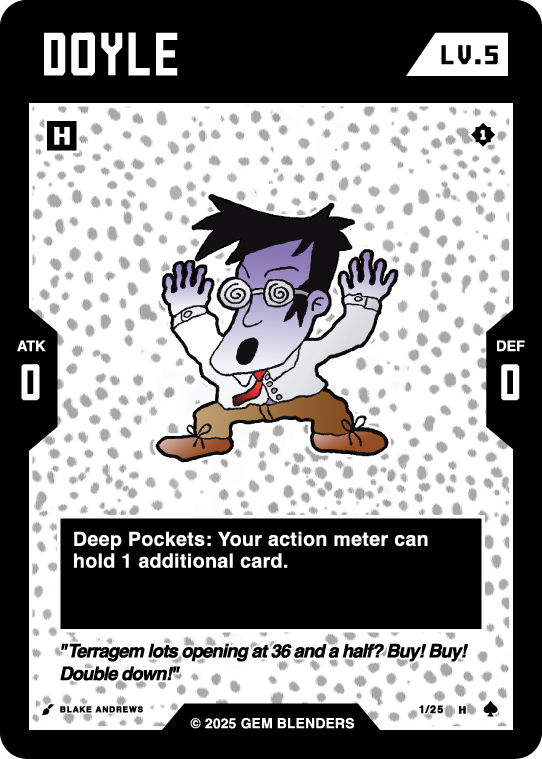
1 DOYLE
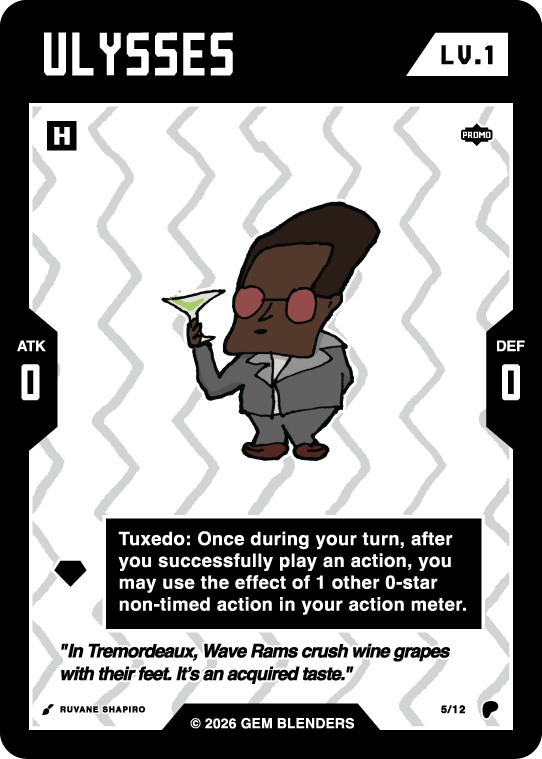
1 ULYSSES
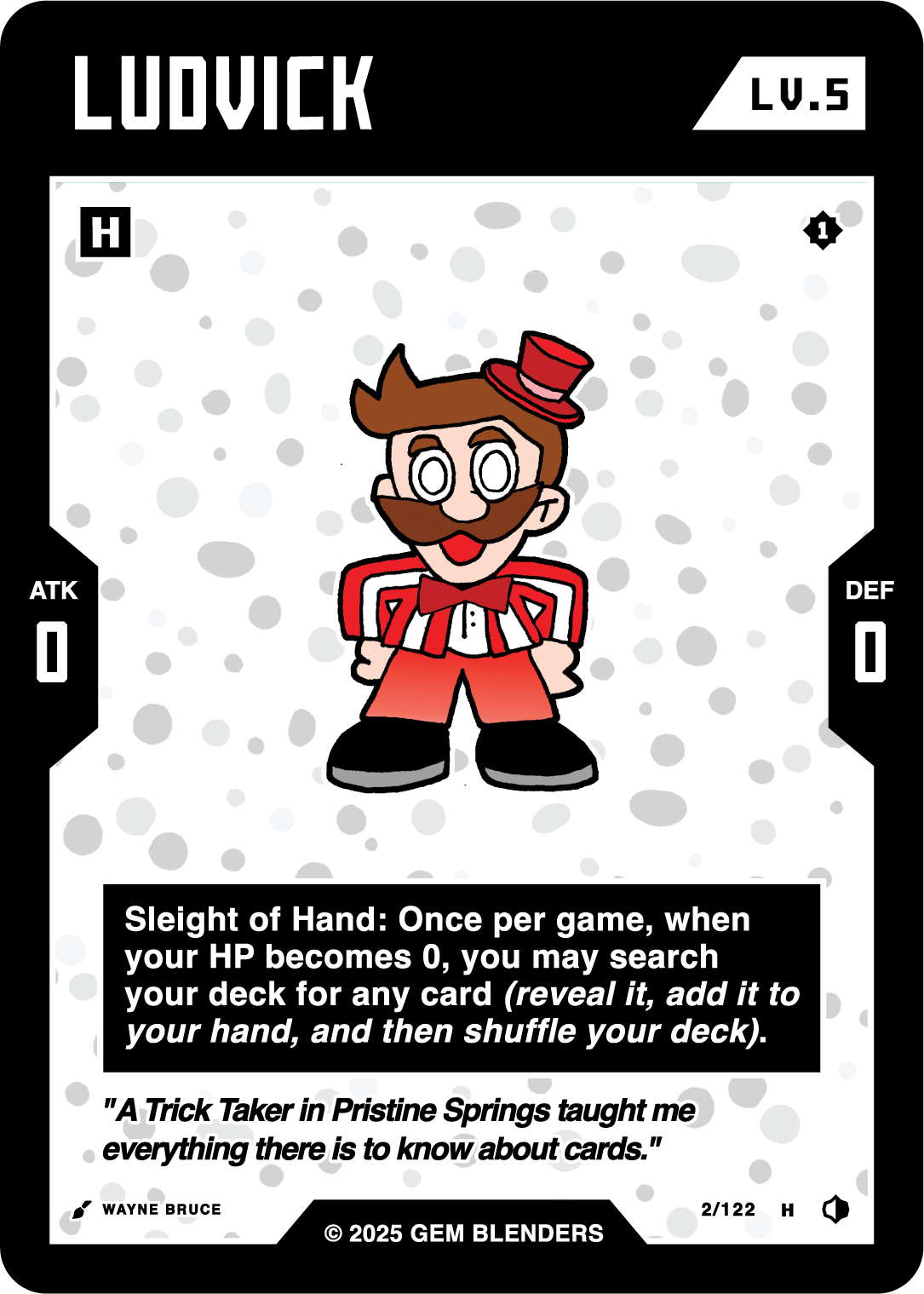
1 LUDVICK
Bench
1 FERDINAND
1 YOSHI
1 SHEPARD
1 BILLY
Gems
4 TERRAGEM
4 AQUAGEM
4 NOCTURNAGEM
4 CAPROGEM
4 ELECTROGEM
Actions
1 SUPER DRAW
1 SUPER COLLECT
1 SURVIVE
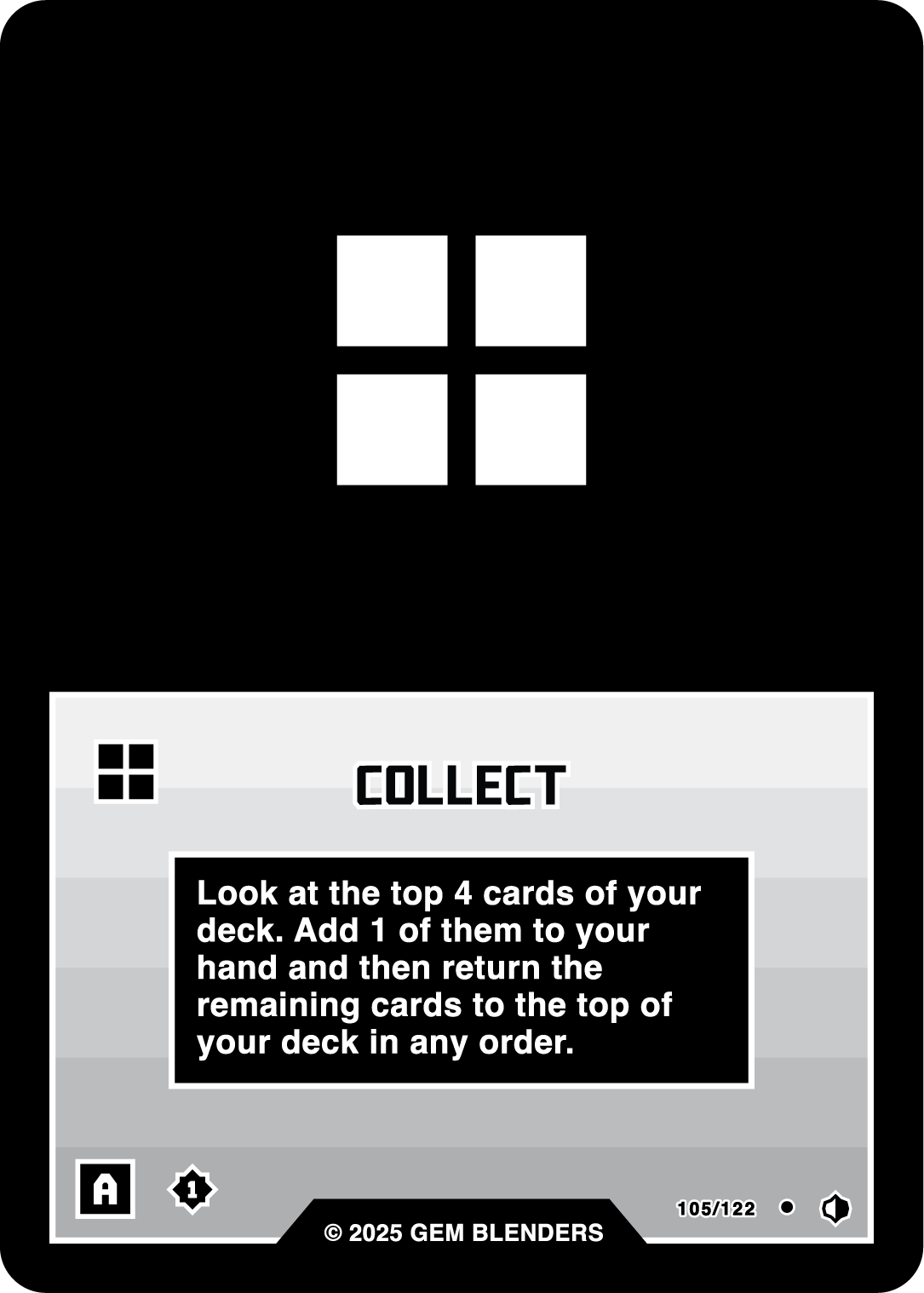
3 COLLECT
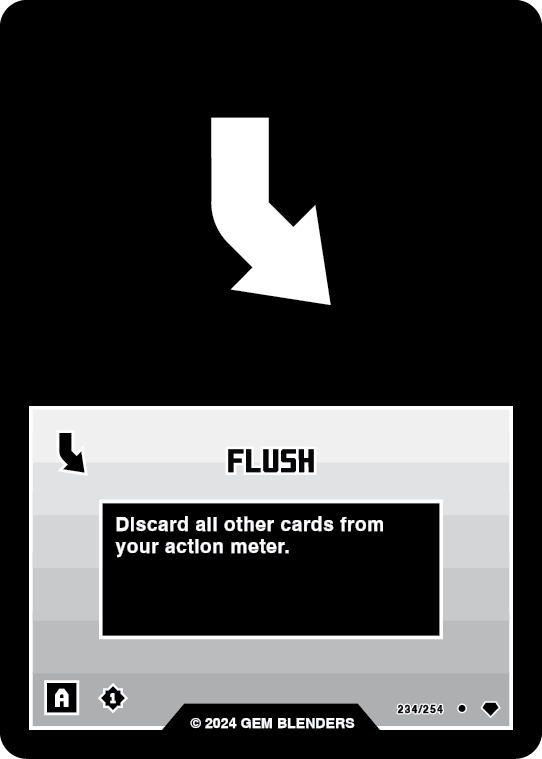
3 FLUSH
3 DRAW
3 GEM SEARCH
1 STRUGGLE SWITCH
1 STRUGGLE STUN
1 SWITCH
1 MEND
Blends
3 GUARD
3 DATA CIPHER
3 TORRENT CRASHER
2 SIGNAL CORRUPTOR
3rd Place - Midnight Frosty Fries
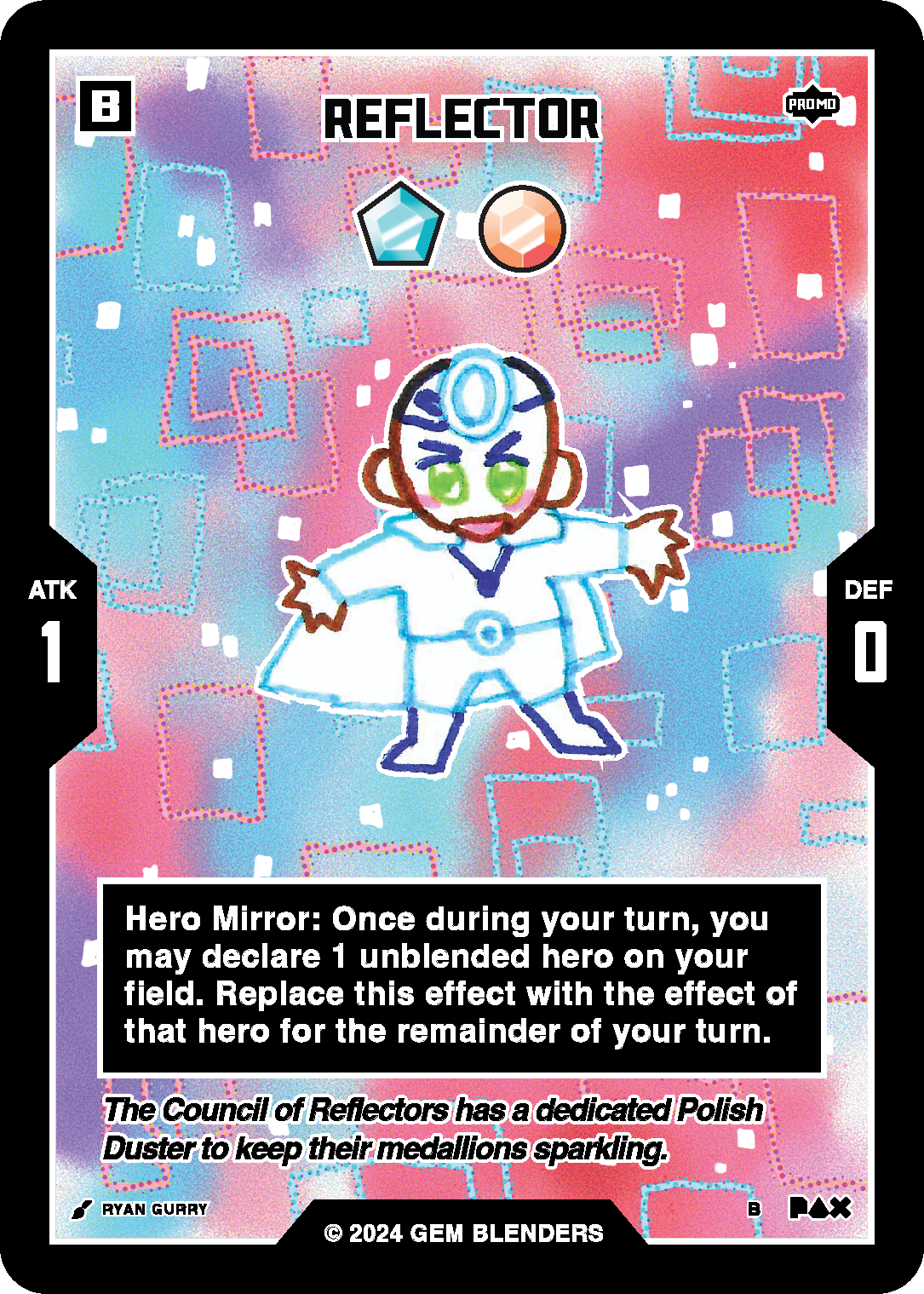
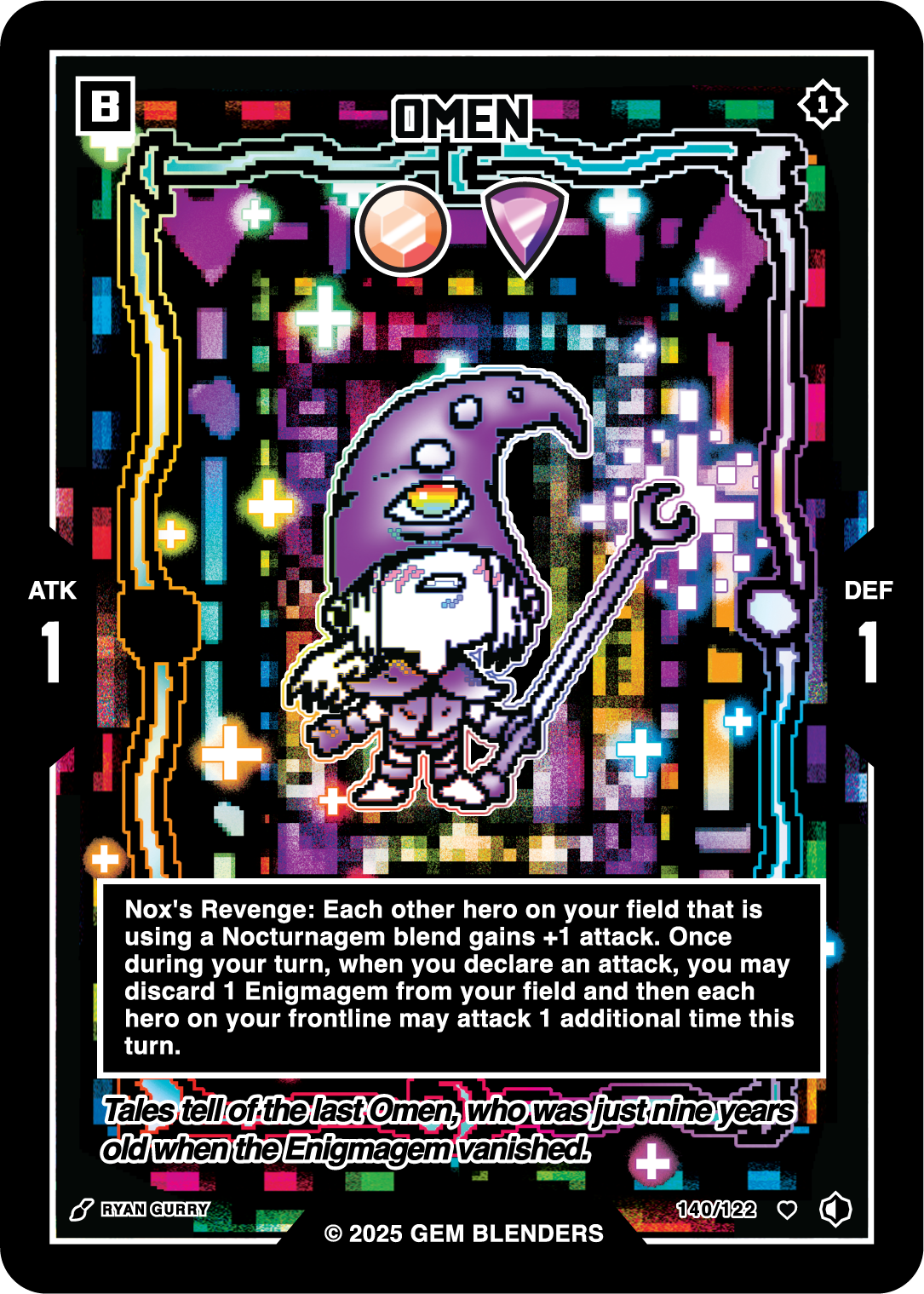
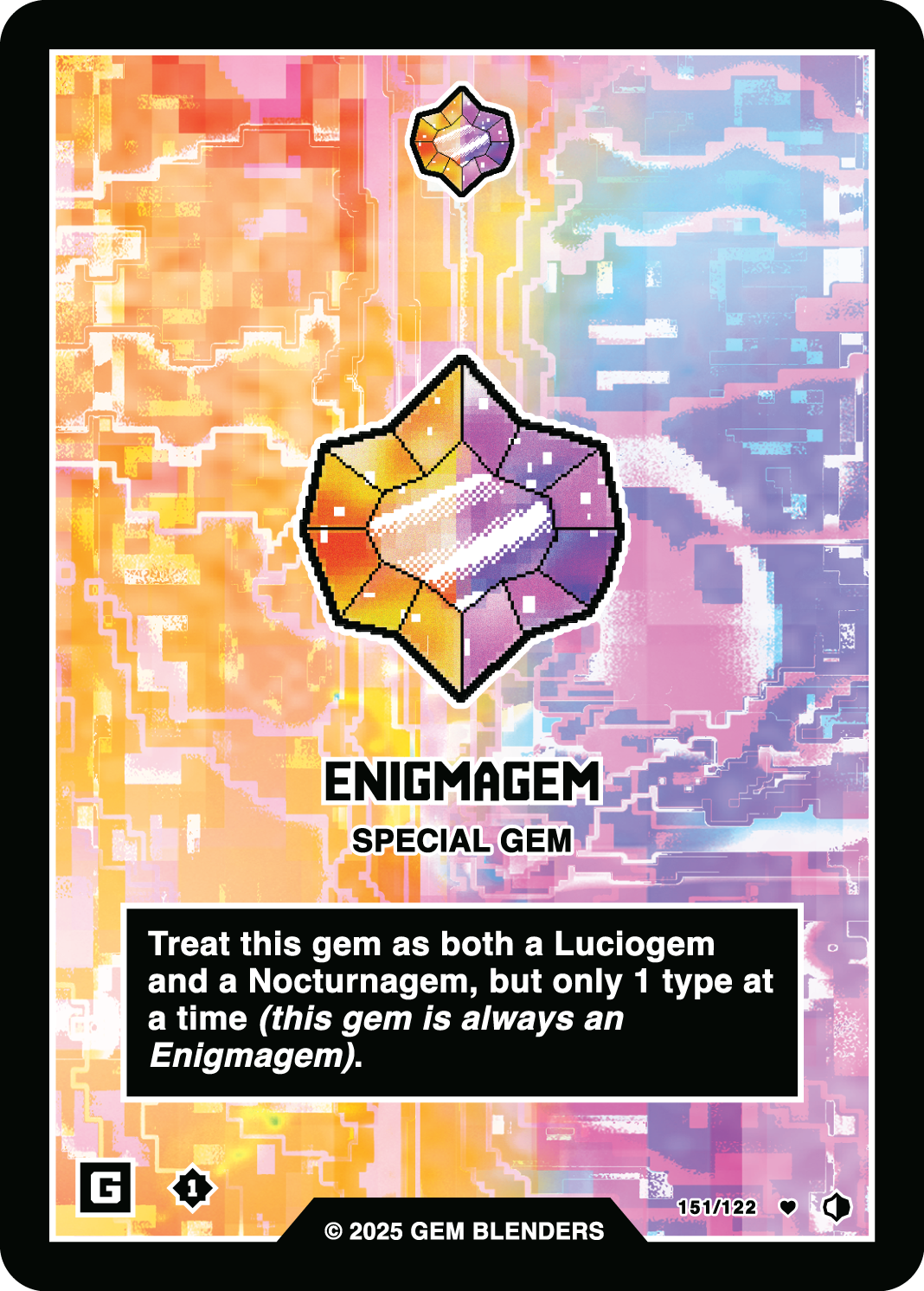
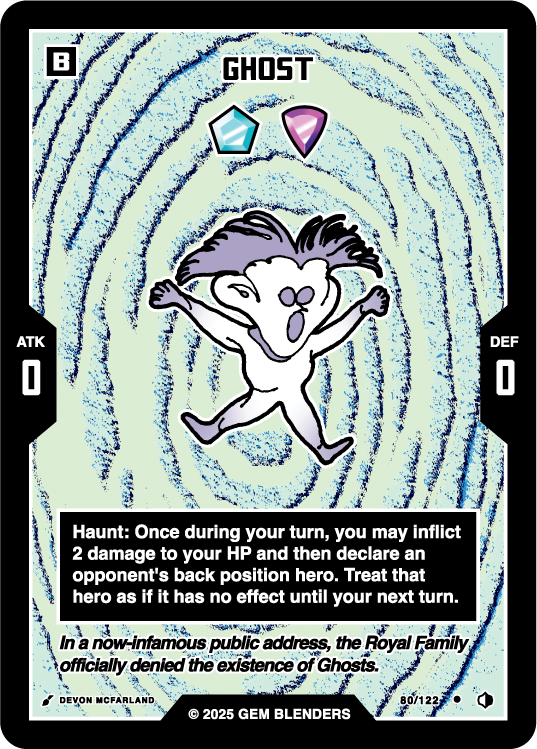
In 3rd place, we have the return of Frosty Fries—this time with a darker twist. The deck starts with a powerful value engine built around Hickory, Jubilee, and Reflector, allowing it to consistently search for Bishops, Silver Gulls, and Ice Creamer while generating tremendous card advantage. Once it has established that foundation, the deck looks to close out games with Shard Buster and the devastating Drain + Frost Herald combination, a one-two punch that can severely hinder an opponent for multiple turns. For this tournament, the list also incorporated a “Midnight” package featuring several Nocturnagem blends, including Ghost, Omen, and Skull Ram. Omen and Skull Ram help maintain pressure and speed up the clock, while Ghost serves as an effective metagame choice against combo-heavy decks.
Frosty Fries thrives on a consistent, aggressive midrange game plan, but the real centerpiece of the deck is the Drain + Frost Herald combo. Any strategy that can disrupt or mitigate that interaction in the late game will significantly improve your chances of winning. Cards such as Brenna, Cancel, and Super Cancel are among the strongest answers available. Other options like Fever Virus, Ferdinand, and Jeffrey can also be valuable tools, although none of them are guaranteed solutions on their own. If you’re unable to stop the Drain, my main advice is to establish your board early and then hold back your gems. Frost Herald only triggers if you’ve played a gem during the previous turn, so this will allow you to recover much faster from the Drain.




Starting Heroes
HICKORY
JUDITH
JUBILEE
SELMA
Bench
BRENNA
SHEPARD
JEFFREY
YUMI
Gems
4 CAPROGEM
4 CRYOGEM
1 ENIGMAGEM
4 LUCIOGEM
1 NOCTURNAGEM
3 PYROGEM
Actions
3 CANCEL
1 DRAIN
3 DRAW
2 RECYCLE
3 RETURN
Blends
3 BISHOP
3 FROST HERALD
1 GHOST
1 GLOW HERALD
1 ICE CREAMER
3 MIRROR CHASER
1 MOUNTAINEER
1 OMEN
1 REFLECTOR
3 SHARD BUSTER
2 SILVER GULL
1 SKULL RAM
2nd Place - Crusher Control
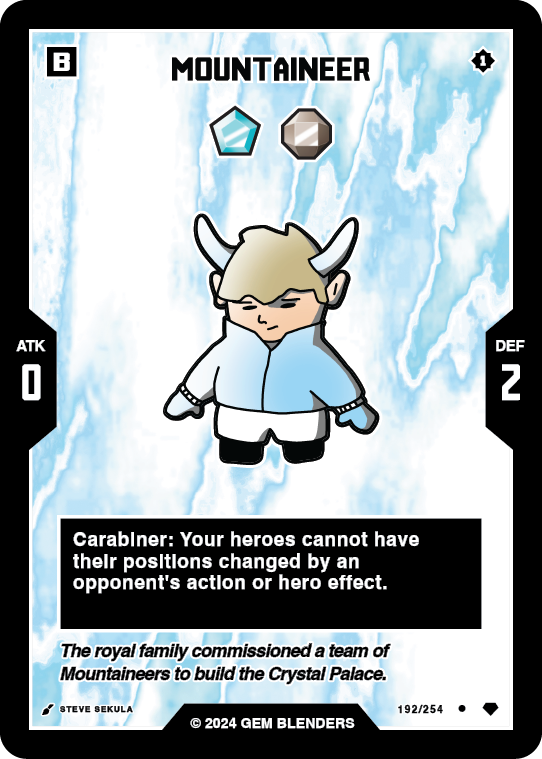
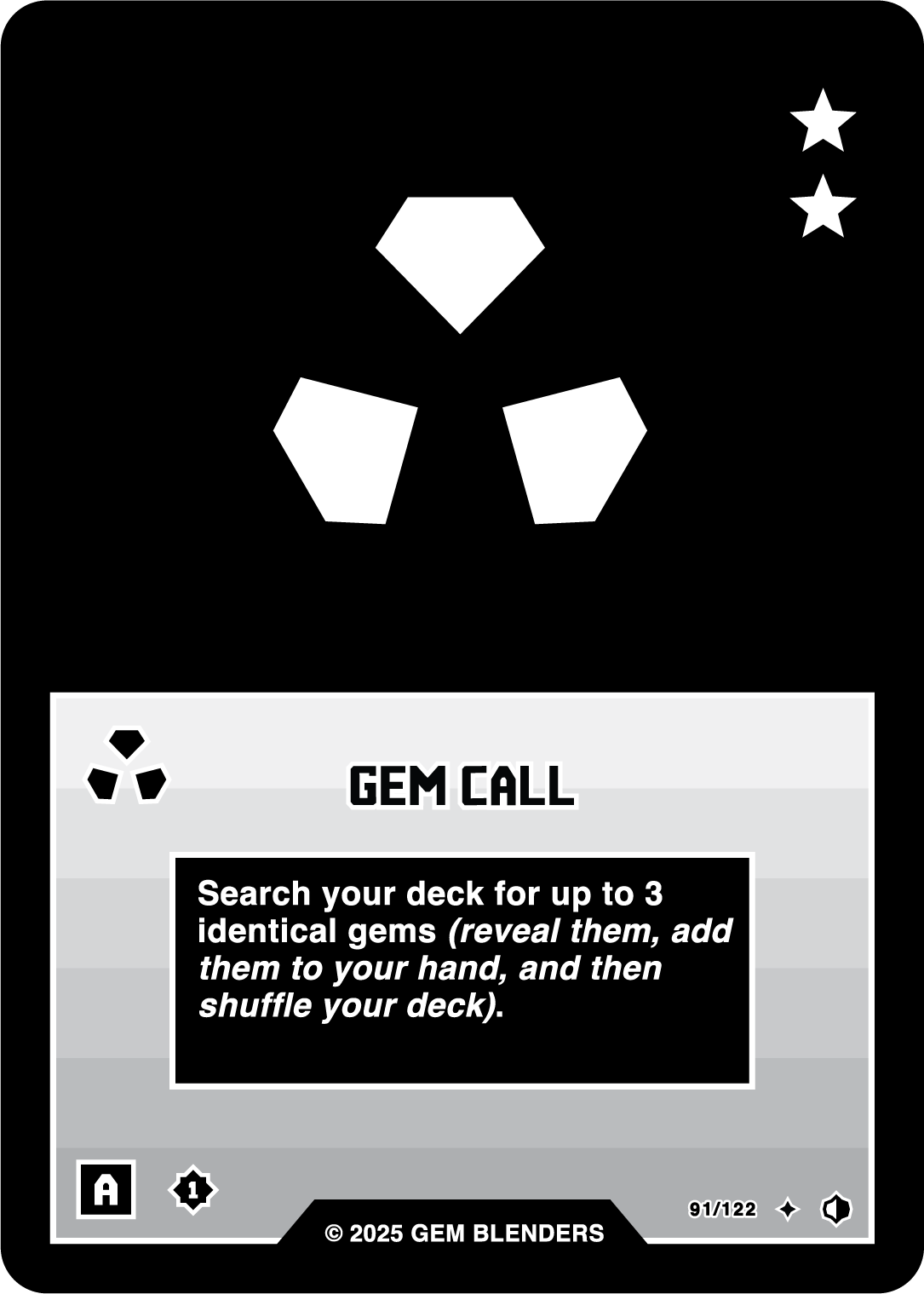
In 2nd place we have… Crusher Control?! Few people expected a Lattice Crusher deck to break into the Top 4, let alone finish in 2nd place. Credit goes to BigTin, who stuck with the archetype despite plenty of skepticism and ultimately proved its critics wrong. The deck’s signature strength is Lattice Crusher’s ability to permanently destroy gems, a devastating effect once the engine gets up and running. The challenge, however, is surviving long enough to reach that stage of the game. Fortunately, BigTin has the experience to navigate the early and midgame through a variety of defensive tools, including Block Attack, Lock, Struggle Stun, and Guard. The deck also accelerates its setup with the Pristine Mage + Condensation Collector combo, which not only enables two gem plays per turn but also helps search for the specific gems needed to complete the strategy. Once Lattice Crusher hits the field with Condensation Collector providing support, the game can quickly spiral out of the opponent’s control.
As for how to beat this deck? It’s not that hard. This was probably a fluke victory.
Just kidding! This is a matchup where speed is everything. Once Lattice Crusher is established, you’re fighting an uphill battle, so your best chance is to close the game before the engine fully comes online. After that point, every turn becomes precious. Most decks only have a limited number of copies of their key gems, meaning each one destroyed by Lattice Crusher brings them closer to running out of resources entirely. Because of that, you need to focus on buying as much time as possible. Switching to the back line can buy a turn or two. Stunning Lattice Crusher can buy another turn. Any disruption that delays the crushing process can make a difference. Above all, though, your priority should be ending the game quickly. Once the Crusher starts rolling, it rarely stops.






Starting Heroes
CARTER
ERICA
SELMA
SILAS
Bench
JEFFREY
SHEPARD
FERDINAND
BRENNA
Gems
3 AQUAGEM
3 CAPROGEM
4 CRYOGEM
3 NOCTURNAGEM
4 PYROGEM
8 TERRAGEM
Actions
2 BLEND SEARCH
1 BLOCK ATTACK
3 CANCEL
3 COLLECT
1 GEM CALL
1 LOCK
2 STRUGGLE STUN
Blends
2 CONDENSATION COLLECTOR
1 GHOST
2 GUARD
2 LATTICE CRUSHER
1 MIRROR CHASER
1 MOUNTAINEER
2 PRISTINE MAGE
1 USHER
1st Place - Chrome Dexter
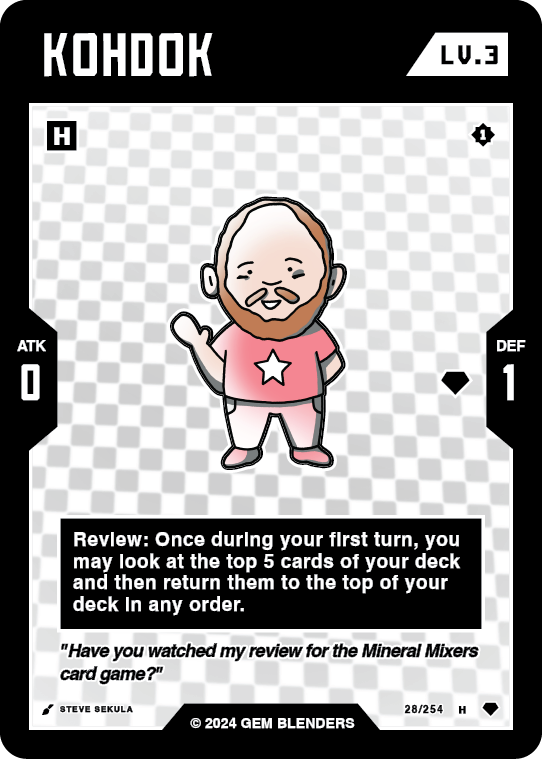
Once again, Dexter takes home 1st place—and remarkably, the decklist remains completely unchanged. Sounds like more people need to start reading this blog! For those unfamiliar with the archetype, Dexter can use Miracle Blend to temporarily blend with the top card of the deck without meeting its requirements, as long as there are no other blends on your field. With a bit of setup, this allows Dexter to start blending LV5s as early as Turn 1. In the late game, however, that restriction would normally prevent you from playing additional blends. The deck gets around this limitation through Chrome Rocket, a blend that returns itself to your hand. This clever interaction lets Dexter continue using his ability turn after turn while also providing an extra 3 attack from the Chrome. The result is one of the most aggressive decks in the format, constantly applying pressure and threatening devastating finishers. With Weaponize in the mix, opponents always have to respect the possibility of a sudden one-turn knockout.
The biggest mistake I see players make against Dexter is trying to save their resources for later. The problem is that against Dexter, there often isn’t a later. The deck comes out at full speed from the very first turn, and while that explosiveness is its greatest strength, it’s also one of its few weaknesses: the deck doesn’t scale dramatically as the game goes on. In fact, it can become less consistent once it runs out of cards like Collect and Kohdok, which help manipulate the top of the deck and ensure reliable Miracle Blends. Because of that, you need to contest every single turn. Use your Stuns early. Deblend to block as much as possible. Treat every turn as if it’s your last, because against Dexter, it very well might be. If you can survive the initial barrage and force the deck into a longer game, its consistency starts to crack. And if you do manage to weather the storm, you may eventually hear the sweetest words in Gem Blenders:
“Reveal a… Collect. Rats. Pass the turn.”






Starting Heroes
DEXTER
KOHDOK
GLORIA
LESTER
Bench
ELAINE
DUC
RONI
YUMI
Gems
3 CRYOGEM
3 PYROGEM
3 AEROGEM
Actions
3 COLLECT
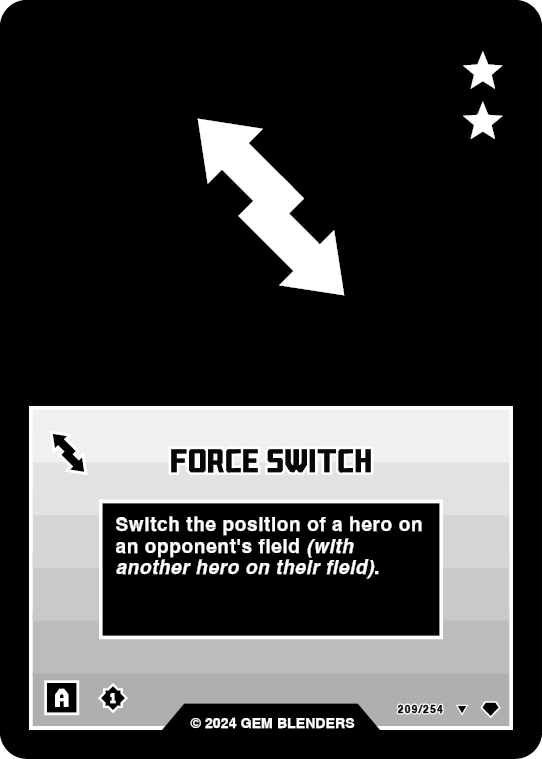
1 FORCE SWITCH
1 WEAPONIZE
Blends
3 CHROME ROCKET
2 FROST HERALD
3 BLAZE ANGEL
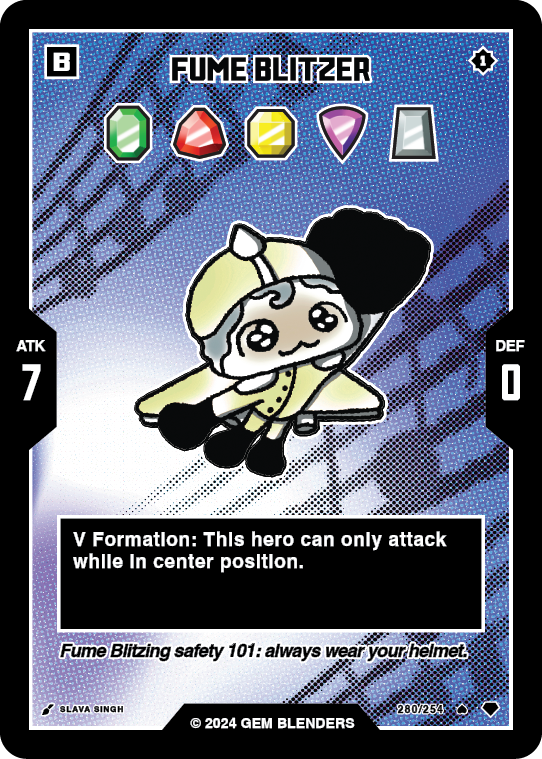
3 FUME BLITZER
1 PEARL DECEPTOR
3 RAGE DOMESTICATOR
3 SHARD BUSTER
2 SPARK CHASER
2 STEAM USHER
3 STORM WEAVER
3 SUMMIT GLAZER
3 TORRENT CRASHER
3 TREMOR BOUNDER
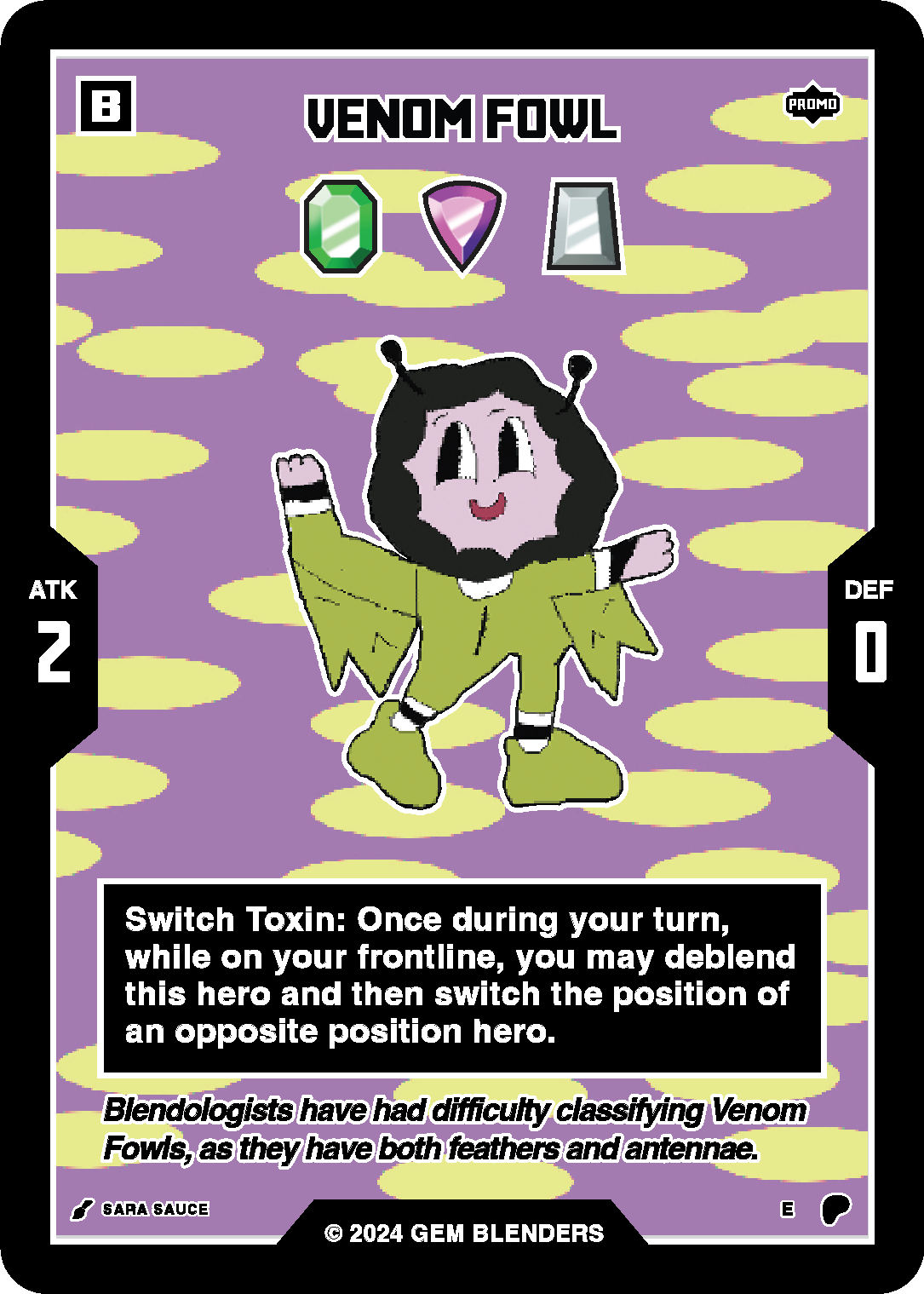
2 VENOM FOWL
Meta Breakdown
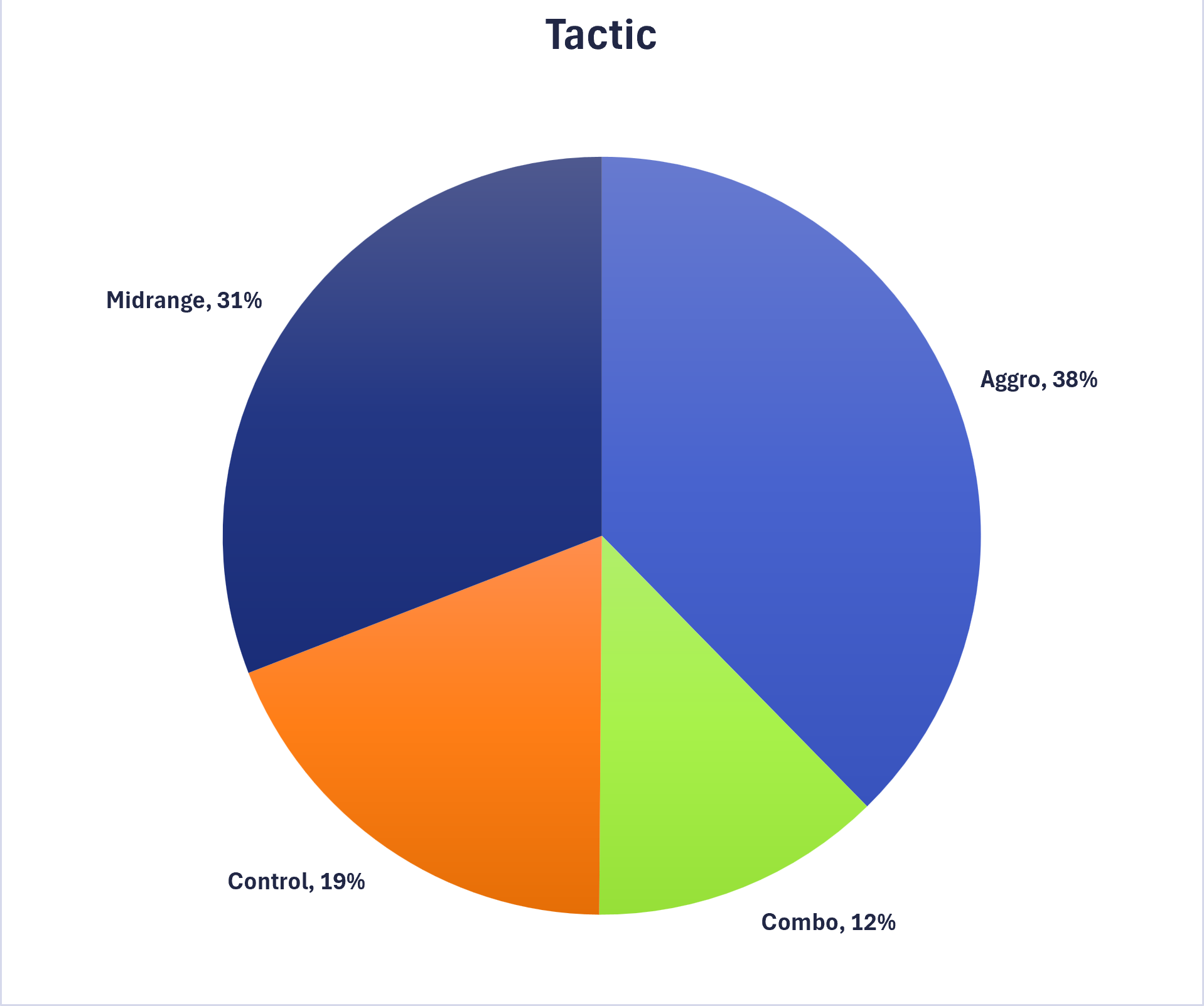
We saw a slight increase in Combo decks, although in general the meta remained primarily Midrange and Aggro. An increase in Combo decks is also reflected in the proliferation of disruptor cards such as Ghost.
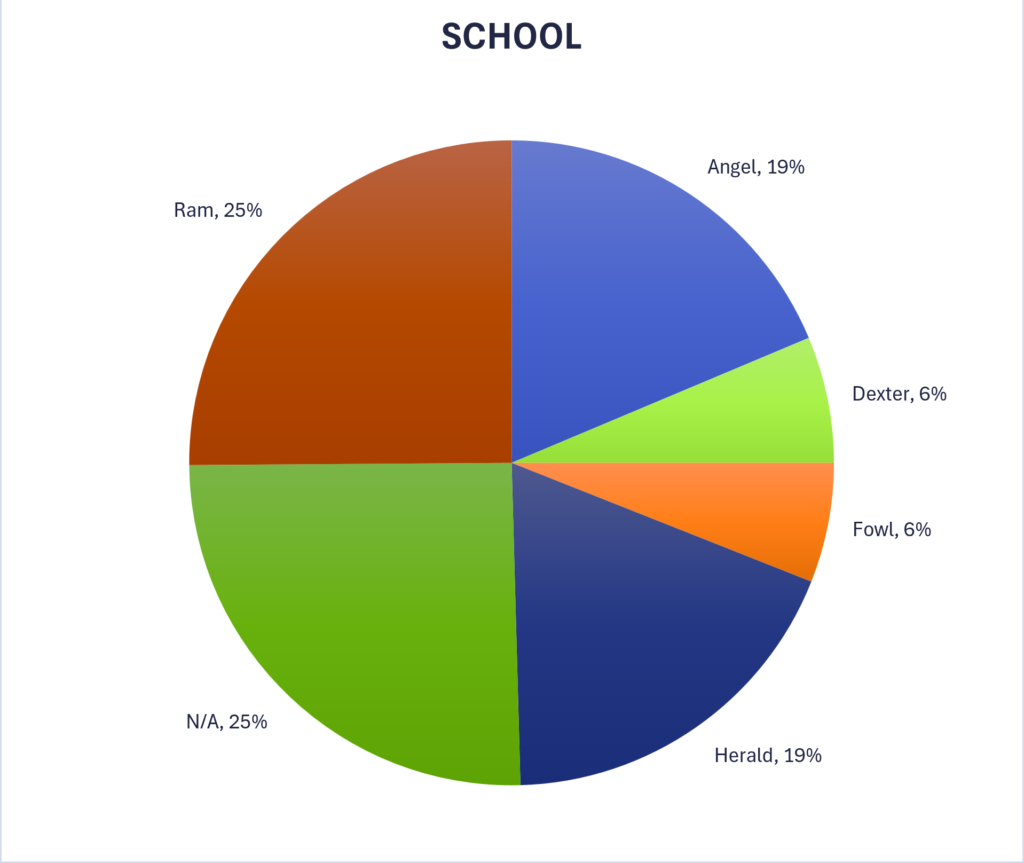
Big increases in both Herald and N/A decks as players explored more… untraditional strategies. Fowl has officially taken the place of Herald as the game’s least played school, while Ram continues to dominate as players’ favorite.
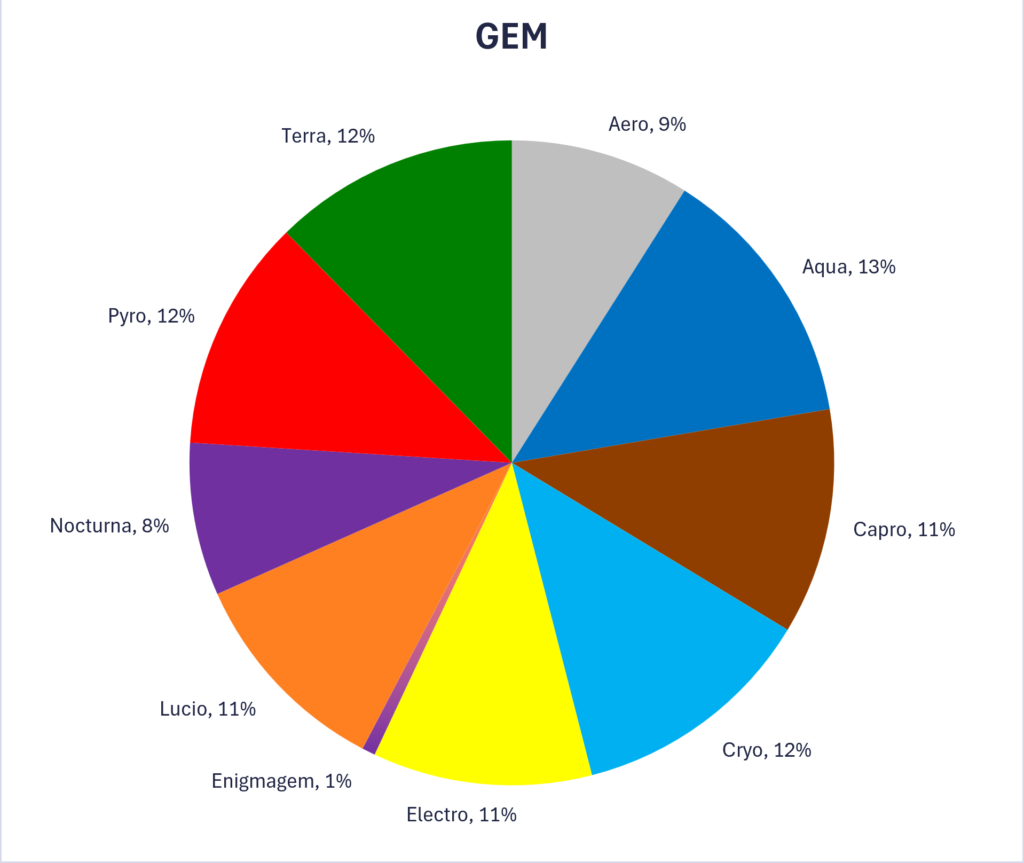
Increases in Lucio and Pyro have taken share from Nocturna and Capro, creating an extremely even distribution of gems, which is very interesting. Happy to see that Aqua and Capro are not dominating the market anymore!
Top Cards
Below are top 10 lists of cards and the percentage of decks that used at least one copy of that card, plus ties.
Top Actions
| Collect | 62.50% |
| Gem Search | 62.50% |
| Cancel | 50.00% |
| Blend Search | 50.00% |
| Draw | 37.50% |
| Recycle | 31.25% |
| Struggle Switch | 31.25% |
| Struggle Stun | 18.75% |
| Switch | 18.75% |
| Return | 18.75% |
| Force Switch | 18.75% |
| Block Attack | 18.75% |
| Flush | 18.75% |
| Infuse | 18.75% |
The once popular Super Blend Search is not even in the top 10, while Recycle and Draw climb the ranks, indicative of a very action-heavy meta. Collect, Gem Search, Cancel, and Blend Search remain the top actions, which I don’t expect to change any time soon.
Top Blends
| Silver Gull | 25.00% |
| Blaze Angel | 25.00% |
| Guard | 25.00% |
| Bishop | 25.00% |
| Chrome Rocket | 25.00% |
| Ghost | 18.75% |
| Mountaineer | 18.75% |
| Rocket | 18.75% |
| Cone | 18.75% |
| Usher | 18.75% |
Gone are the days of the every-popular Pearl Deceptor cracking the top 10! Here we see the usual suspects, plus that Ghost I’ve been mentioning. And finally, we see Bishop start to get the representation it deserves!
Top Starting Heroes
| Fiona + Isabel | 25.00% |
| Selma | 25.00% |
| Judith | 25.00% |
| Elaine | 18.75% |
| Carter | 18.75% |
| Gloria | 18.75% |
| Lester | 12.50% |
| Kula | 12.50% |
| Jasper | 12.50% |
| Ludvick | 12.50% |
| Hickory | 12.50% |
| Quinn | 12.50% |
We have a much more diverse set of starting heroes from the last tournament where Gloria and Selma were in nearly half of all decks. Jasper and Ludvick are clearly the most popular choices from among the new Idols and Omens heroes, and Kula also returns as a powerhouse of the format.
Top Bench Heroes
| Shepard | 33.33% |
| Marci | 26.67% |
| Nancy | 20.00% |
| Jeffrey | 20.00% |
| Lester | 20.00% |
| Yumi | 20.00% |
| Billy | 13.33% |
| Tara | 13.33% |
| Brenna | 13.33% |
| Ferdinand | 13.33% |
| Hickory | 13.33% |
| Kathy | 13.33% |
Idols and Omens heroes absolutely dominate the bench, with Shepard, Nancy, Billy, Tara, and Ferdinand making their tournament debut. Players have lots of options to combat bad matchups, with Shepard being the most popular.
Superlatives
Biggest Crash-Out – Noah
Noah entered the tournament as one of the favorites to win it all. After reaching the Top 4 in the previous Blender Bowl and establishing himself as a consistent competitive contender, expectations were high. This year, he brought a combo deck that many players considered nearly unstoppable, with a one-turn-kill strategy that looked airtight on paper.
Unfortunately, it doesn’t always work out that way in the postseason. While Noah still posted a respectable finish, his podium dreams were dashed when a few opponents found weaknesses in what seemed like a foolproof combo. It was a reminder that no strategy is truly invincible, especially in a tournament setting where players have time to adapt and prepare for the decks they expect to face.
Most Creative Deck – Steb
While reviewing all of the submitted decklists, Steb’s “Hall of Mirrors” deck made me do a double take, featuring Stakes Raiser, Luster Striker, and no fewer than nine different gem types.
The deck is built around Isidora, a hero whose Gem Game has opponents guess three different gems. By running all nine gem types, Steb dramatically improves the odds of winning, maximizing the value of the hero’s ability and further profiting via Stakes Raiser, who deals 6 damage on every win.
And if you’re already committing to nine different gems, why not take it one step further with Luster Striker? Whether or not it was the strongest deck in the field, it was undoubtedly one of the most inventive.
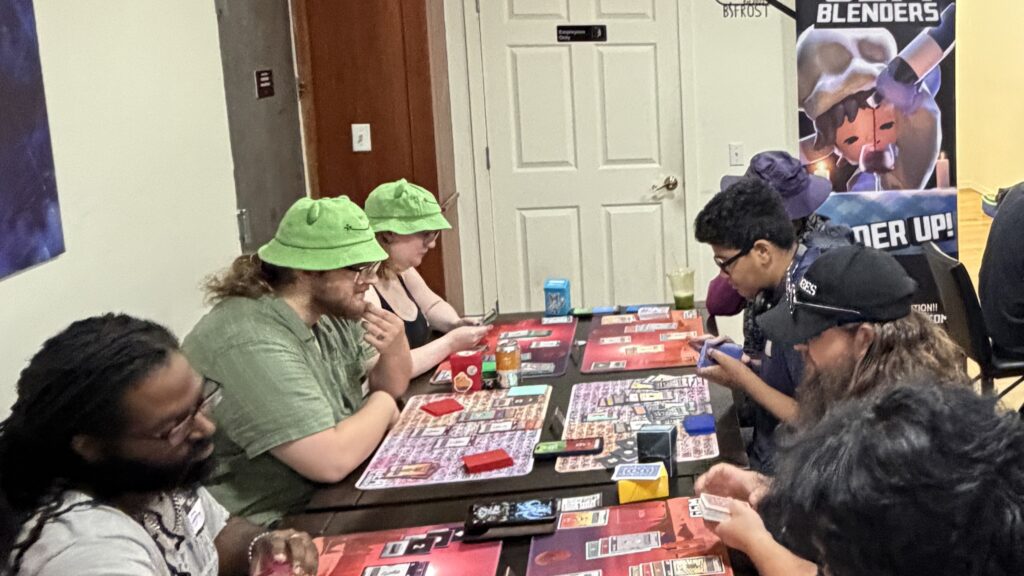
Best Hats – Laura and Jake
Laura and Jake showed up wearing frog hats, and they were awesome.
Conclusion
There have been some rumblings about whether Dexter has crossed the line into ban-worthy territory. To that, I say: remember Torrent Crasher? These things take time. A healthy metagame needs room to evolve, and players need time to experiment, adapt, and develop new answers. We have to let the meta cook and let the brewers brew. After all, heavy is the head that wears the crown.
Looking at the format as a whole, many of the top decks seem to revolve around a handful of highly impactful turns. Whether it’s Dexter threatening a sudden knockout, Frosty Fries setting up its Drain combo, or Lattice Crusher locking in its endgame, success often comes down to finding a way to get one more meaningful turn than your opponent. As a result, cards and strategies that buy time—through blocking, stunning, or otherwise disrupting the opponent’s plan—have become increasingly valuable. It’s an interesting trend, and I think we’re going to see more players approach the game through that lens moving forward.
More than anything, though, it was exciting to see such a fiercely competitive field and the continued rise of clever meta-tech choices across the tournament. Watching players adapt to one another, innovate within established archetypes, and bring new ideas to the table is what makes the game so rewarding to follow.
I hope this breakdown has been a useful resource for anyone looking to better understand the current state of the Gem Blenders meta and prepare for the battles ahead.
Until next time!